Hand-printed silkscreen on found ceramic tiles
Series I (8 pieces)
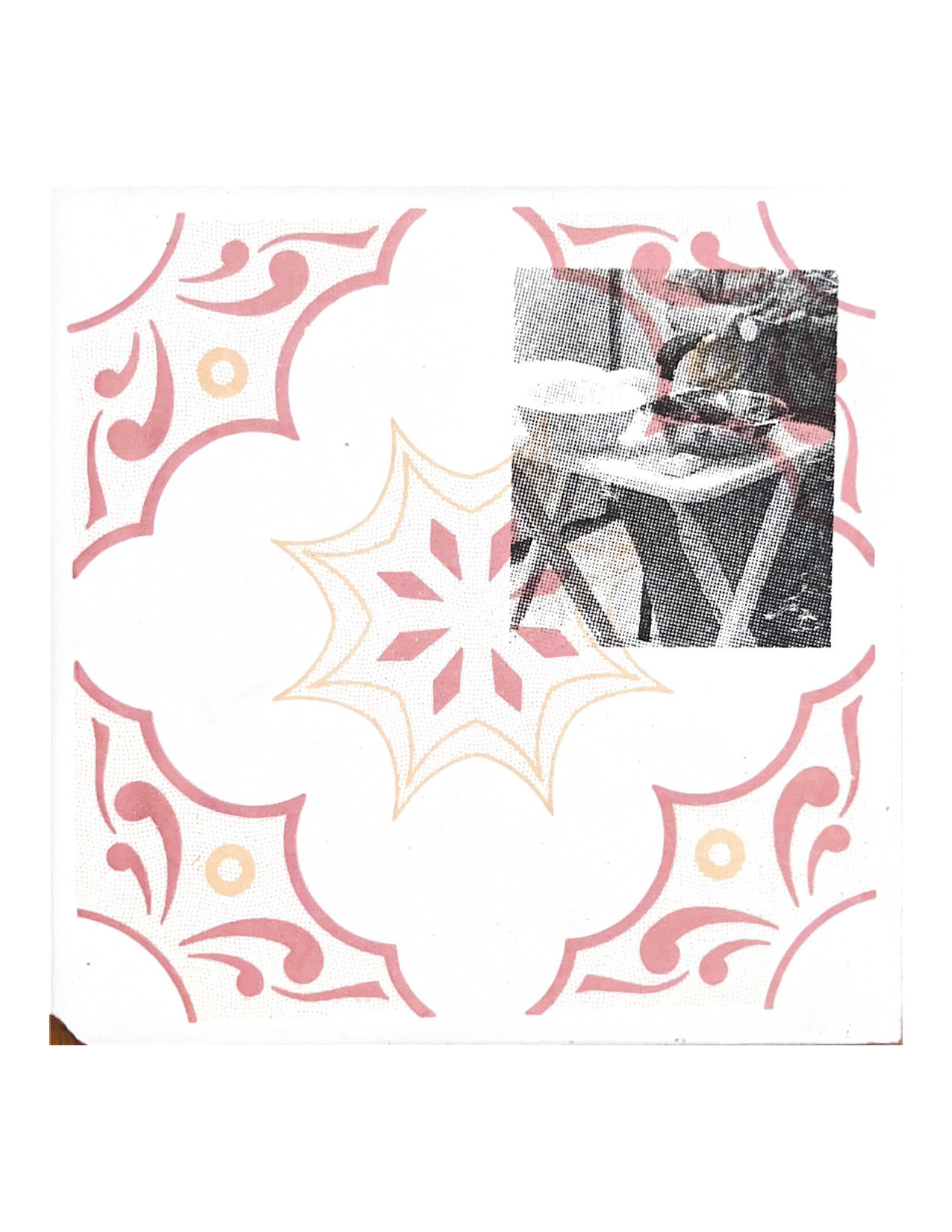
Individual tile (1/8)
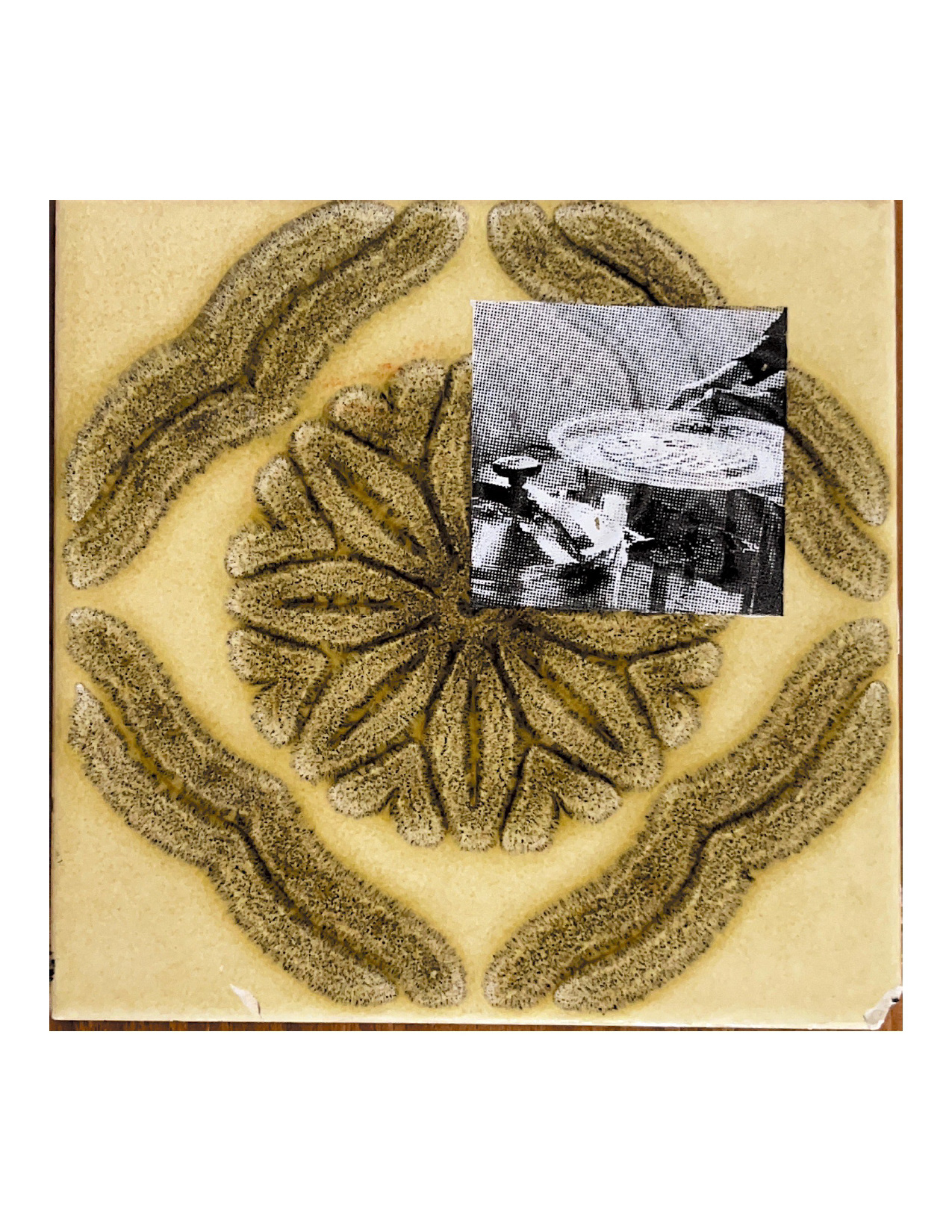
Individual tile (2/8)
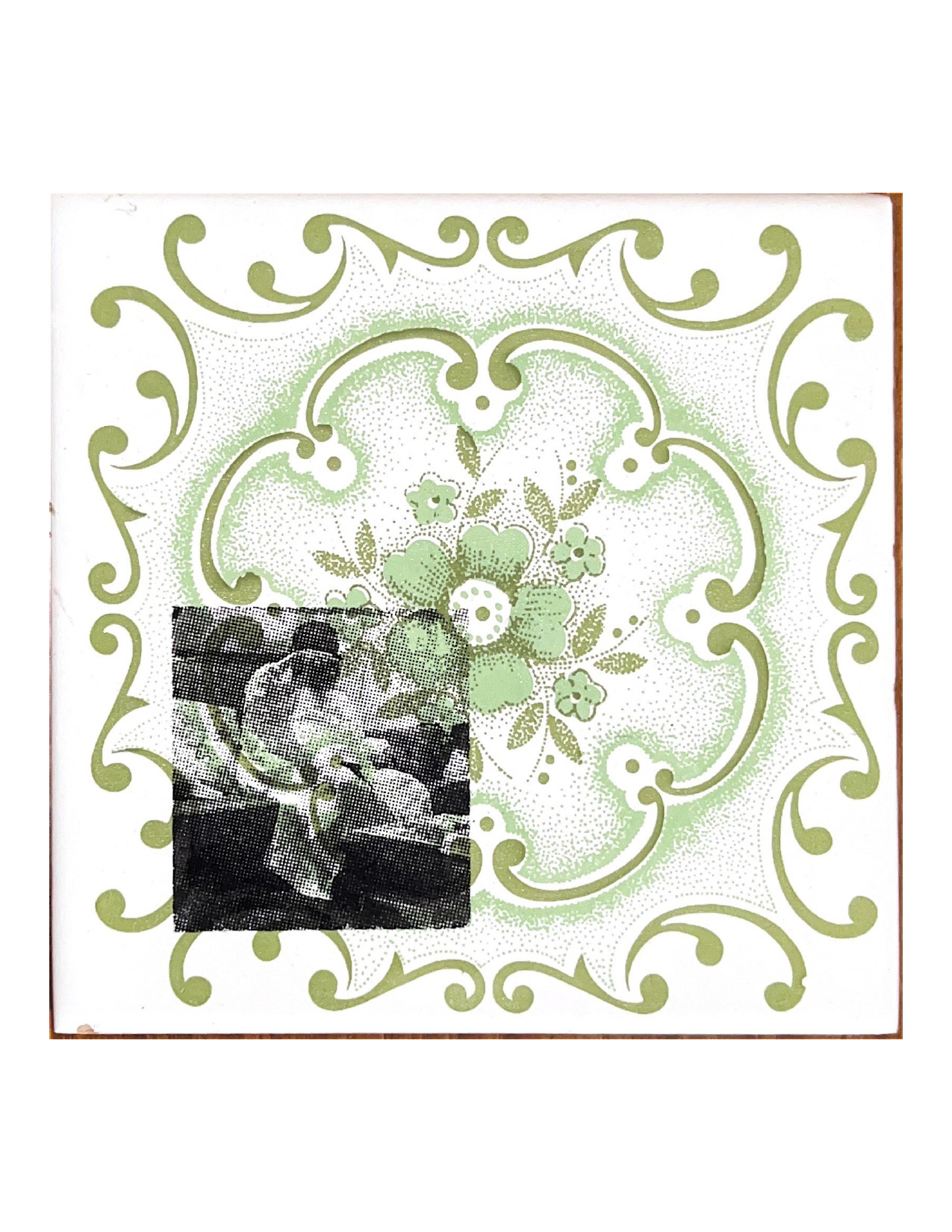
Individual tile (3/8)
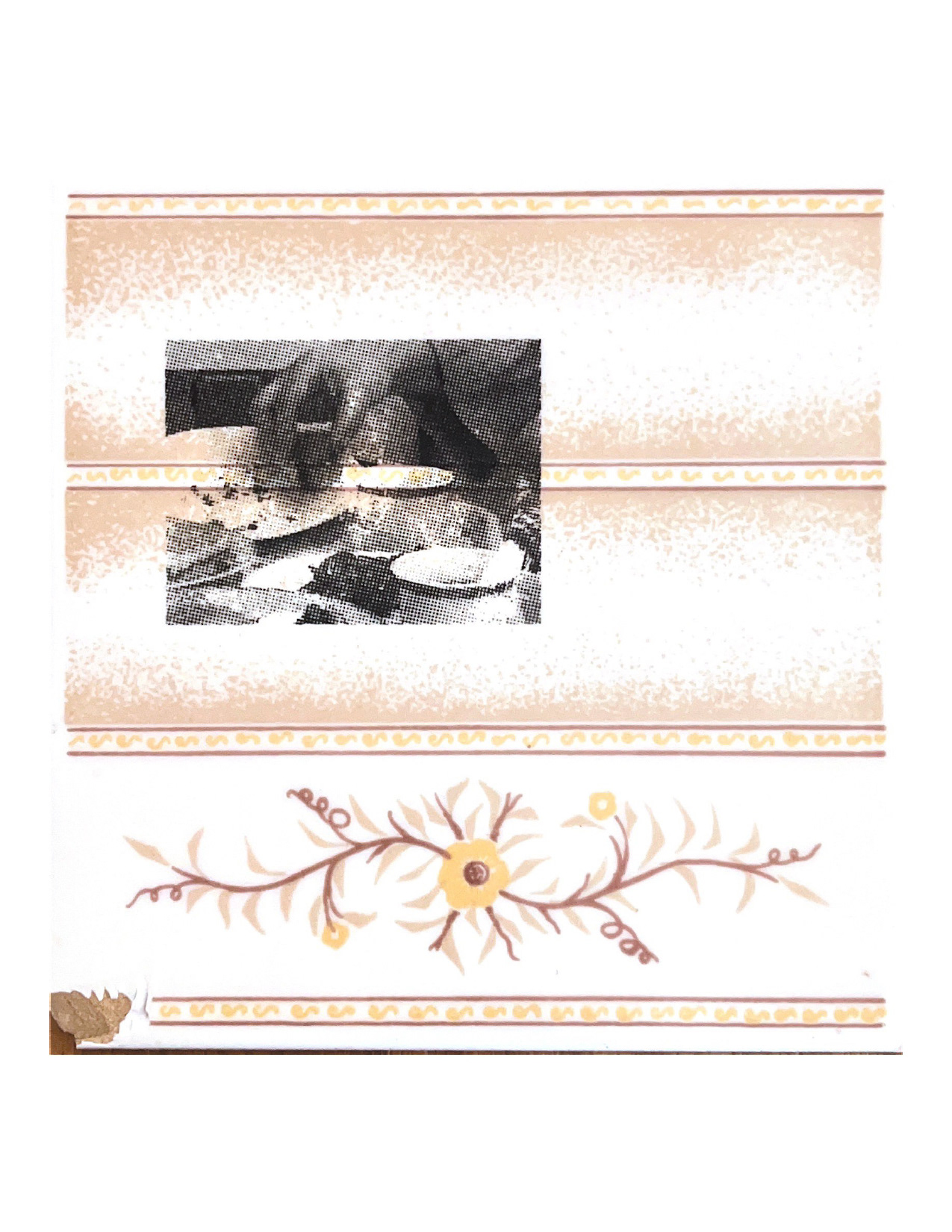
Individual tile (4/8)
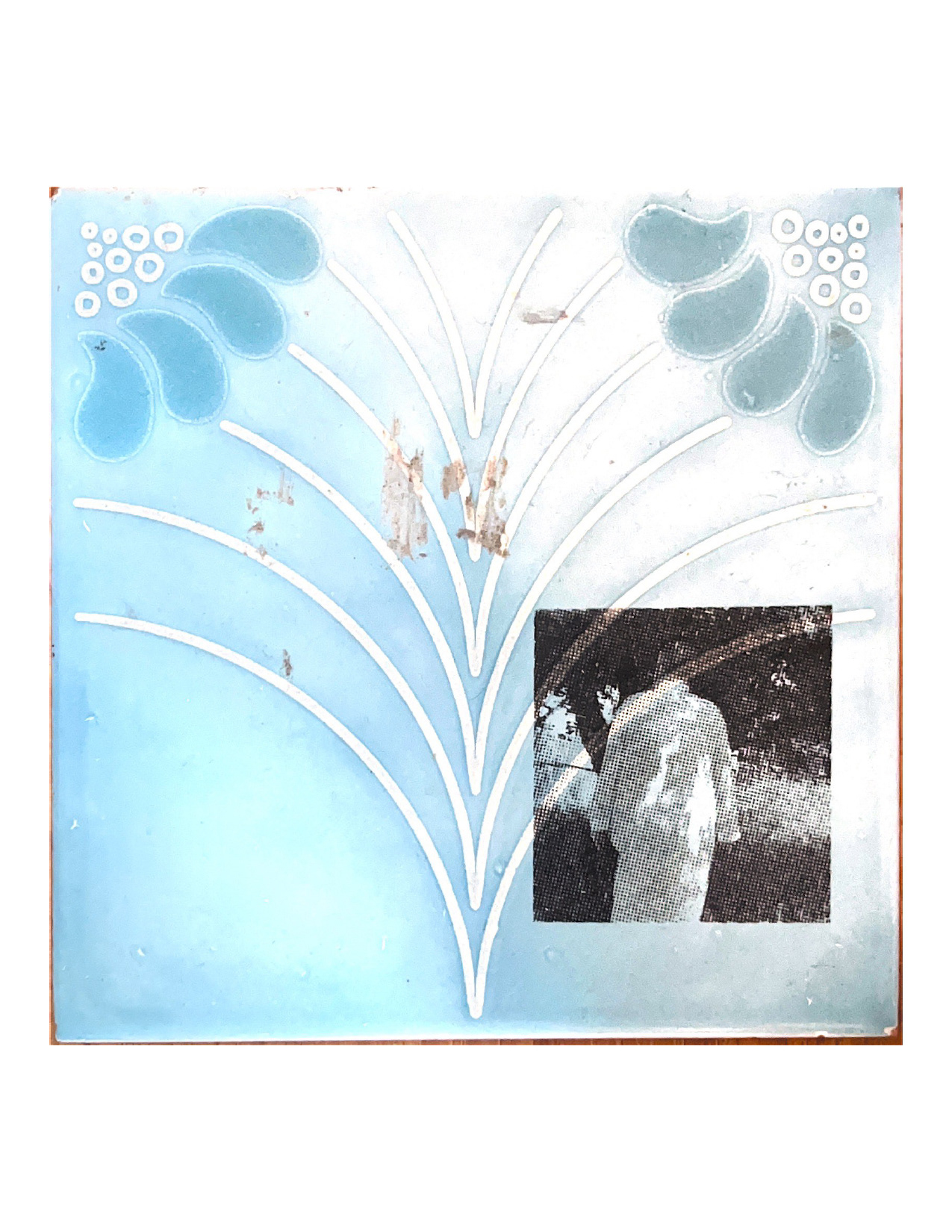
Individual tile (5/8)
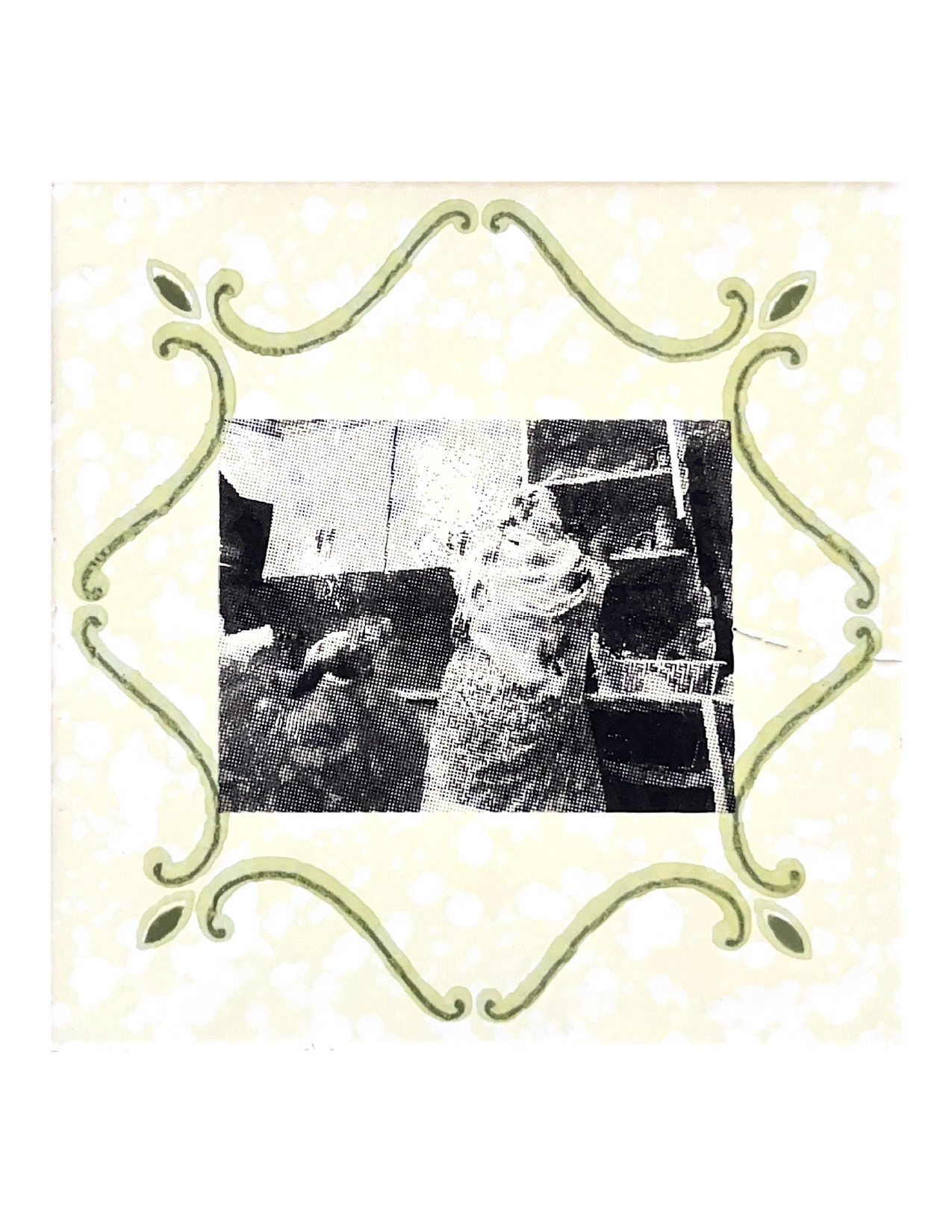
Individual tile (6/8)
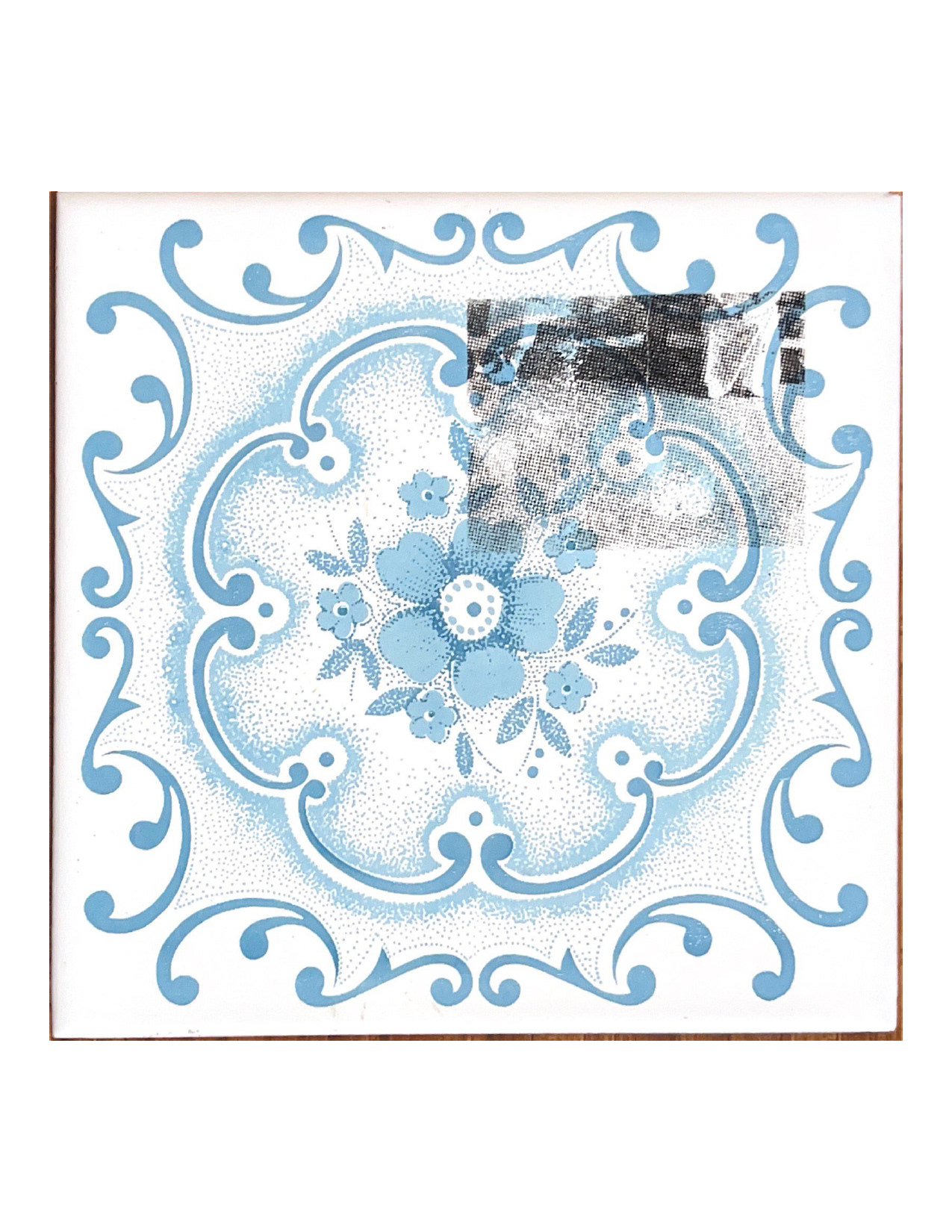
Individual tile (7/8)
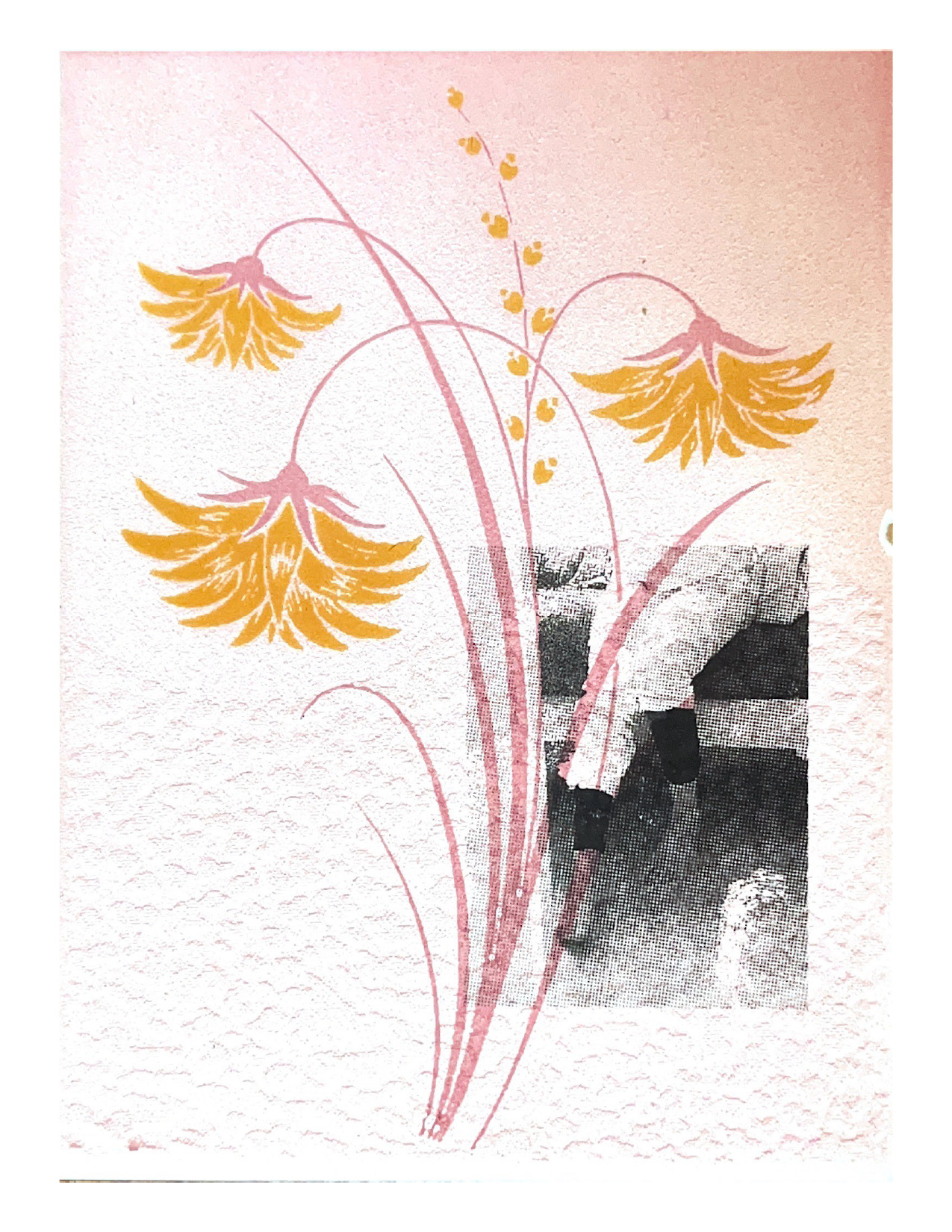
Individual tile (8/8)
Series II (4 pieces)
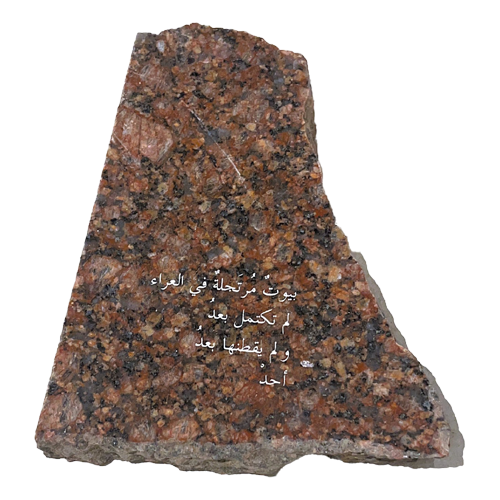
Individual tile (1/4) — Text in image (Arabic → English): 'Improvised houses out in the open, not yet completed, not yet inhabited by anyone.'
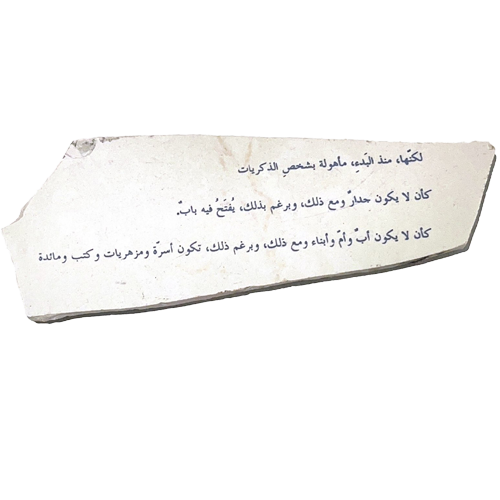
Individual tile (2/4) — Text in image (Arabic → English): 'And yet, from the very beginning, they are already lived in by the Person of Memories. (As though there were no wall, and still—despite that— a door could be opened in it. As though there were no father, no mother, no children, and still—despite that— there would be beds and vases and books and a table.'
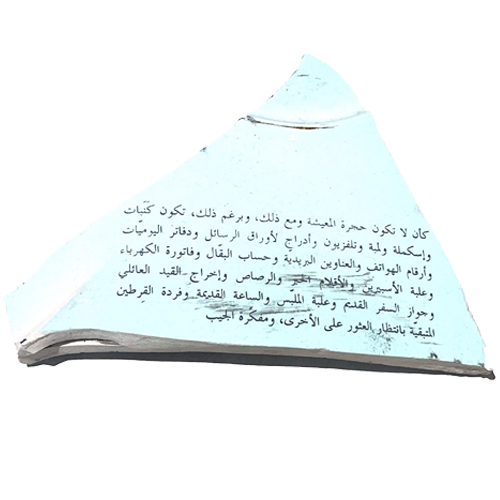
Individual tile (3/4) — Text in image (Arabic → English): 'As though there were no living room, and still—despite that— there would be sofas and a footstool and a lamp and a television, and drawers for letters and diaries, and phone numbers and postal addresses, and the grocer’s tab, and the electricity bill, and a box of aspirin, and pens—ink and pencil, and the family registration document, and the old passport, and a box of sugared almonds, and the old clock, and the single remaining earring waiting for the other one to be found, and a pocket notebook,'
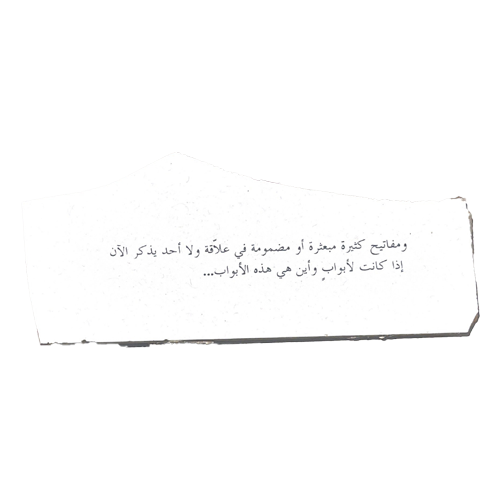
Individual tile (4/4) — Text in image (Arabic → English): 'and many keys—scattered or gathered on a keychain— and no one now remembers whether they belonged to doors, or where these doors are anymore…'
This installation continues Shaima’s exploration of everyday domestic materials and our intimate relationships with them. It reflects on the subtle, often unnoticed interactions within living spaces and moments that quietly shape and preserve memory over time.
Series I (8 pieces)
The first body of work incorporates ceramic tiles taken from Shaima’s family home in the south of Saudi Arabia, originally installed in the late 1970s. Though no longer part of the house’s structure, some of these tiles were kept in the basement as spare stock. Onto their surfaces, she hand-printed silkscreen images drawn from a long-term documentary project she began years ago. The images capture scenes of everyday life: food preparation, gathering around the table, conversation, and the quiet act of inhabiting the home. Through sustained observation, the work preserves fleeting moments and honours the subtle truths embedded within domestic space, creating a tactile, sensory archive of lived experience.
The first body of work incorporates ceramic tiles taken from Shaima’s family home in the south of Saudi Arabia, originally installed in the late 1970s. Though no longer part of the house’s structure, some of these tiles were kept in the basement as spare stock. Onto their surfaces, she hand-printed silkscreen images drawn from a long-term documentary project she began years ago. The images capture scenes of everyday life: food preparation, gathering around the table, conversation, and the quiet act of inhabiting the home. Through sustained observation, the work preserves fleeting moments and honours the subtle truths embedded within domestic space, creating a tactile, sensory archive of lived experience.
Series II (4 pieces)
The second body of work is composed of fragments shaima has collected from an abandoned plot of land bearing traces of a demolished house. She hand-printed some of these pieces with excerpts from the poem “A Shrine by the Road” (مزار بجانب الطريق) by Lebanese poet Bassam Hajjar. The poem reflects on absence and spaces that may be uninhabited yet remain saturated with emotional residue, imagined lives, and the traces of those who once belonged, or might have belonged to them. Through this gesture, the work engages with absence as a form of presence.
The second body of work is composed of fragments shaima has collected from an abandoned plot of land bearing traces of a demolished house. She hand-printed some of these pieces with excerpts from the poem “A Shrine by the Road” (مزار بجانب الطريق) by Lebanese poet Bassam Hajjar. The poem reflects on absence and spaces that may be uninhabited yet remain saturated with emotional residue, imagined lives, and the traces of those who once belonged, or might have belonged to them. Through this gesture, the work engages with absence as a form of presence.
Tracing lived moments within the home and the residual emotional and symbolic traces that persist after the house has materially disappeared, the installation foregrounds that the loss of a home is more than a material loss. It is also the erasure of memories, histories, and the intimate marks that shape both personal and collective identity.